
You rest your knee. You ice it. You take over-the-counter pills. And yet, the pain comes back. Week after week. Month after month. If you've been searching for knee pain relief, arthritis knee treatment, or chronic knee pain solutions, you've probably tried the usual advice. But here's what most articles won't tell you: some of the things you're doing to help your knee might actually be making it worse. This guide focuses on the mistakes that keep people stuck in pain—and what to do instead.
Part 1: The "Rest" Trap – Why Too Much Inactivity Backfires
When your knee hurts, your first instinct is to rest. Stop moving. Stay off it. That makes sense for a fresh injury. But for chronic knee pain, prolonged rest is one of the worst things you can do.
What happens when you rest too long: Your quadriceps muscles (the ones that stabilize your knee) weaken rapidly. Studies show that just 2 weeks of inactivity can reduce quad strength by 10-15%. Weaker muscles mean less support for your knee joint. Less support means more pain when you do move.
The fix: Don't stop moving. Stop painful movements. If walking hurts, switch to a stationary bike with zero resistance. If stairs hurt, use a ramp or elevator. Keep your knee moving through a pain-free range of motion every single day. Ten minutes of gentle movement is better than zero minutes of rest.
Part 2: The Ice vs. Heat Confusion – Most People Get This Wrong
Both ice and heat can provide knee pain relief. But using the wrong one at the wrong time can flare up your symptoms.
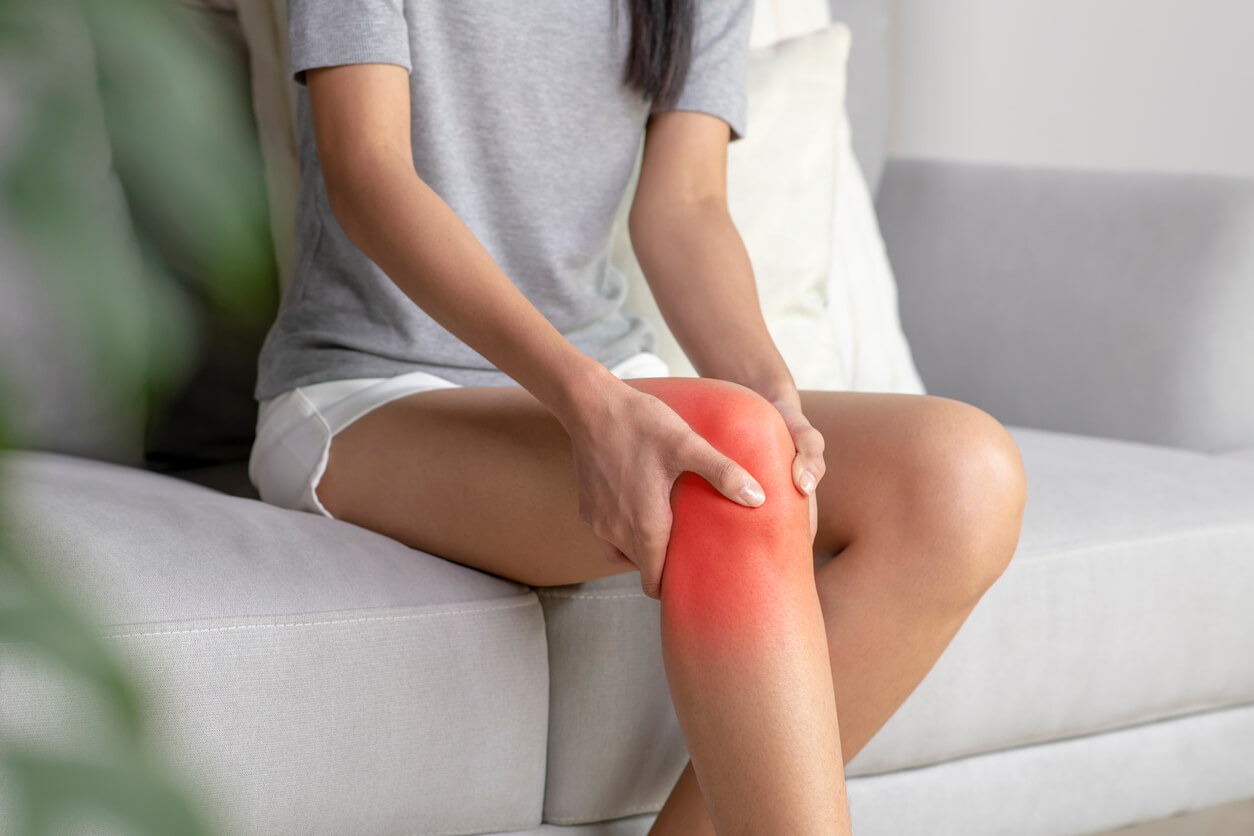
Use ice for: Acute injuries (less than 48 hours old), swelling, redness, warmth, or pain after activity. Ice reduces inflammation and numbs the area. Apply for 15 minutes, wait 2 hours, repeat.
Use heat for: Stiffness in the morning, chronic arthritis pain without swelling, or before exercise. Heat increases blood flow and relaxes tight muscles. Apply for 15-20 minutes before activity.
The mistake: Using heat on a swollen, inflamed knee. Heat increases blood flow, which can worsen swelling. Using ice on a stiff, arthritic knee before exercise. Cold tightens muscles, making stiffness worse.
| Condition | Best Therapy | Why |
|---|---|---|
| Swollen, hot, red knee | Ice | Reduces inflammation |
| Stiff, achy morning knee | Heat | Loosens tight tissues |
| Pain after walking | Ice | Calms reactive inflammation |
| Before exercise | Heat (5-10 min) | Preps muscles for movement |
Part 3: The Wrong Shoes – A Hidden Cause of Knee Pain
Your knees are connected to your feet. Every step sends shock waves up your legs. The wrong shoes can amplify those shocks by 30-40%.
The worst shoes for knee pain:
Flat, hard-soled shoes (Converse, Vans, ballet flats) – zero cushioning
Old running shoes (over 300-400 miles) – worn-out foam provides no support
Flip-flops and slides – no arch support, forces your toes to grip
High heels – shifts your weight forward, increasing pressure on kneecaps
What to wear instead:
Walking shoes with thick, cushioned soles
Running shoes with less than 300 miles on them
Hoka, Brooks, or New Balance (brands known for cushioning)
Shoes with removable insoles (so you can add custom orthotics)
The test: Take your shoes off and walk barefoot on a hard floor. Does your knee feel different? If barefoot walking feels better, your shoes are the problem.
Part 4: Quad-Dominant Exercises – Why Your Knee Still Hurts
Most knee pain exercises focus on the quadriceps (front thigh muscles). And yes, strong quads are important. But weak glutes (buttocks) are often the real culprit.
How weak glutes hurt your knees: Your glutes stabilize your hip and control your thigh bone. When glutes are weak, your thigh rotates inward with every step. This inward rotation puts torque on your knee joint, causing pain on the inside or front of the knee.
Signs your glutes are weak:
Your knee caves inward when you squat
Your hips drop to one side when you stand on one leg
You have low back pain along with knee pain
Better knee pain exercises for glutes:
Clamshells: Lie on your side, knees bent. Keeping feet touching, lift your top knee. 15 reps, 3 sets.
Bridges: Lie on your back, knees bent. Lift hips toward ceiling. Squeeze glutes at the top. 15 reps, 3 sets.
Side-lying leg lifts: Lie on your side, bottom leg bent, top leg straight. Lift top leg 12-15 inches. 12 reps, 3 sets.
Do these before your quad exercises. Strong glutes take pressure off your knees.
Part 5: Ignoring Your Gait – How You Walk Matters
Knee joint therapy isn't just about what you do in the clinic. It's about how you walk every single day. A subtle limp or altered gait can overload one part of your knee and cause pain.
Signs of a bad gait:
You land heavily on your heel
You take very short, shuffling steps
You lean to one side when walking
One shoe wears out faster than the other
How to fix it:
Walk with a midfoot strike (land on the middle of your foot, not your heel)
Take longer, smoother strides
Look straight ahead (not down at your feet)
Swing your arms naturally
If you can't correct your gait on your own, see a physical therapist. They can videotape you walking and show you exactly what's wrong.
Part 6: The "One-Size-Fits-All" Brace – Choosing Wrong
Knee braces are not interchangeable. Using the wrong type can give you a false sense of security or, worse, weaken your muscles.
| Brace Type | What It Does | When to Use | When NOT to Use |
|---|---|---|---|
| Compression sleeve | Provides mild support, reduces swelling | Mild arthritis, daily activities | Moderate/severe instability |
| Patellar strap | Takes pressure off patellar tendon | Runner's knee, tendonitis | Arthritis or ligament issues |
| Hinged brace | Limits side-to-side movement | MCL/LCL injuries | Simple arthritis without instability |
| Unloader brace | Shifts weight away from damaged cartilage | Bone-on-bone arthritis on one side | Both sides of knee are damaged |
The mistake: Wearing a compression sleeve for severe arthritis. A sleeve won't unload damaged cartilage. You need an unloader brace – but they're expensive ($300-$1,500) and require a professional fitting.
Part 7: Medication Mismanagement – The Rebound Effect
Over-the-counter NSAIDs (ibuprofen, naproxen) can provide excellent knee pain relief. But using them every day for weeks or months can backfire.
The rebound effect: Your body adapts to the medication. When you stop, your pain comes back worse than before. Studies show that chronic NSAID use can actually delay healing in soft tissues.
Smarter medication use:
Use NSAIDs for flare-ups, not daily maintenance
Take the lowest effective dose for the shortest time
Try topical NSAIDs (Voltaren gel) first – they work locally with fewer systemic side effects
Consider acetaminophen (Tylenol) for daily pain – it doesn't reduce inflammation but also doesn't cause rebound
When to talk to your doctor: If you need NSAIDs more than 3 days per week, your underlying problem isn't being addressed. Don't mask the pain – find the cause.
Part 8: Fear of Movement – The Psychological Barrier
After months or years of chronic knee pain solutions that didn't work, many people develop kinesiophobia – fear of movement. You stop doing things that used to be easy. You avoid stairs. You don't play with grandkids. You decline invitations to walk in the park.
Why this is a mistake: The less you do, the weaker you get. The weaker you get, the more things hurt. It's a downward spiral.
How to break the cycle:
Start ridiculously small. If walking 10 minutes hurts, walk 2 minutes. Do it 3 times per day.
Separate "hurt" from "harm." Arthritis pain during activity doesn't mean you're damaging your knee. It means you're using it. Some discomfort is normal.
Work with a pain psychologist. CBT and pain reprocessing therapy can reduce fear of movement by 40-60% in chronic pain patients.
Part 9: The Supplement Scam – What Actually Works
Walk down the supplement aisle and you'll see dozens of products promising arthritis knee treatment. Glucosamine, chondroitin, MSM, turmeric, collagen, CBD. Most are a waste of money.
What the research says:
| Supplement | Evidence Level | Should You Take It? |
|---|---|---|
| Glucosamine + chondroitin | Weak | No – large studies show no benefit over placebo |
| Turmeric/curcumin | Moderate | Maybe – helps some people with inflammation, but poorly absorbed |
| Collagen hydrolysate | Moderate | Maybe – small studies show modest benefit for joint pain |
| Vitamin D | Strong | Yes – if you're deficient (most people with chronic pain are) |
| Omega-3 fatty acids | Strong | Yes – reduces joint inflammation, good for overall health |
The only supplements worth trying:
Vitamin D (get your level tested first)
Omega-3 (fish oil) – 2-3 grams per day
A high-quality turmeric with black pepper (for absorption)
Stop spending money on the rest. Use that money for physical therapy instead.
Part 10: Your 30-Day Knee Pain Management Reset
Here's a month-long plan to break the cycle of pain.
Week 1 – Assessment
Stop all painful activities
Identify your gait issues (video yourself walking)
Test your shoe cushioning
Start morning heat (if stiff) and post-activity ice (if swollen)
Week 2 – Activation
Add glute exercises (clamshells, bridges, side-lying leg lifts) – daily
Keep walking but shorten distance if painful
Switch to topical NSAIDs (Voltaren) if using oral NSAIDs daily
Week 3 – Strengthening
Add quad exercises (straight leg raises, mini squats)
Increase walking distance by 10% every 3 days
If pain flares, ice immediately and rest 1 day
Week 4 – Integration
Walk 20-30 minutes daily
Do glute and quad exercises every other day
If still in pain, see a physical therapist for gait analysis
Frequently Asked Questions
Why does my knee hurt when I rest?
Nighttime pain often means inflammation is high. Try ice before bed and sleeping with a pillow between your knees. If rest pain persists, see a doctor – it can be a sign of advanced arthritis or infection.
Can losing weight really help knee pain?
Yes. Every pound lost removes 4 pounds of pressure from your knees. Losing 10 pounds reduces knee load by 40 pounds per step. For overweight patients, weight loss is more effective than any medication.
Is walking good or bad for knee arthritis?
Good – if you walk on flat, soft surfaces. Bad – if you walk on hills, concrete, or with poor shoes. Start with 5-10 minutes on a track or treadmill. Increase slowly.
How do I know if I need surgery?
If you've tried everything above for 6 months and still can't walk without severe pain, have bone-on-bone arthritis on X-ray, and pain wakes you at night – schedule a surgical consultation.
What's the single best thing I can do today?
Check your shoes. Most knee pain is aggravated by poor footwear. Put on your most cushioned shoes and go for a 5-minute walk. If it feels better, you found a big piece of the puzzle.

