
Laser treatment has become one of the most popular cosmetic procedures worldwide. From laser hair removal to laser skin resurfacing, modern laser technology can treat wrinkles, acne scars, pigmentation, redness, and unwanted hair.
But despite the popularity of laser skin treatment, many people start searching online without understanding one key fact:
Not all laser treatments are the same.
Different types of laser treatment target different layers of the skin, different pigments, and different conditions. Choosing the wrong treatment can waste money or lead to poor results.
In this guide, we explain:
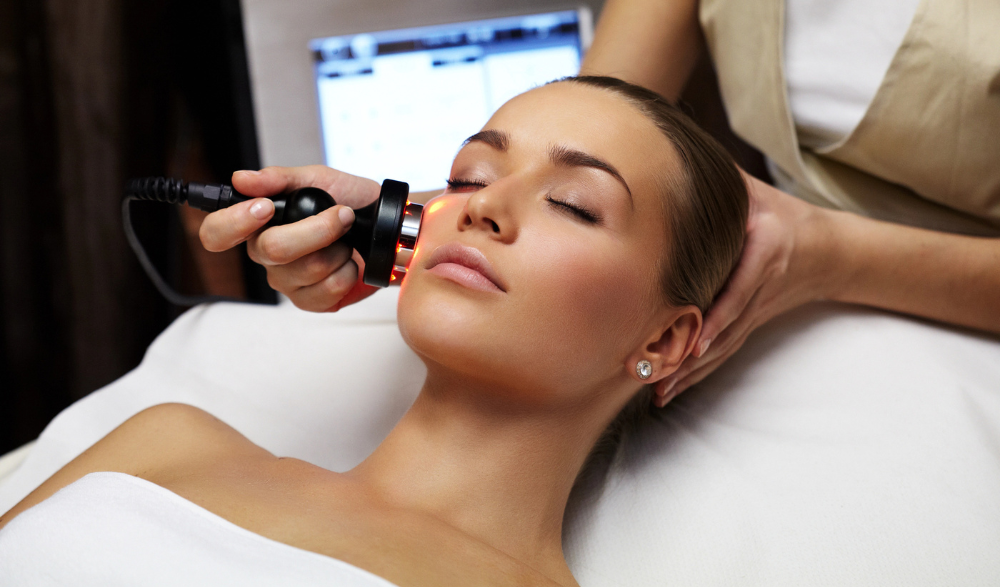
- The different types of laser treatment for skin
- The real cost of laser treatment
- Recovery time and risks
- How to find a laser treatment clinic near me
- What questions you should ask before booking
The 4 Main Types of Laser Skin Treatment
When people search for laser treatment for skin, they often assume there is only one type of laser. In reality, there are several technologies designed for different skin concerns.
| Laser Type | Best For | Downtime | Sessions Needed | Average Cost |
|---|---|---|---|---|
| Ablative Laser (CO2, Erbium) | Deep wrinkles, acne scars, resurfacing | 1–4 weeks | 1–3 | $2,000–$5,000 |
| Non-Ablative Laser (Fraxel) | Fine lines, texture, pigmentation | 1–3 days | 3–6 | $800–$1,500 |
| Vascular Laser (Vbeam) | Rosacea, redness, broken capillaries | Minimal | 1–4 | $400–$800 |
| Laser Hair Removal | Unwanted body hair | None | 6–8 | $100–$500 |
Each laser skin treatment uses a specific wavelength of light to target certain pigments or tissues in the skin.
For example:
- Laser hair removal targets melanin in hair follicles
- Vascular lasers target hemoglobin in blood vessels
- Ablative lasers target water molecules in deeper skin layers
This is why one laser cannot treat everything.
Laser Hair Removal: The Most Popular Laser Treatment
Among all cosmetic laser procedures, laser hair removal is by far the most searched treatment.
Millions of people search for:
- laser hair removal near me
- laser hair removal cost
- best laser hair removal clinic
Laser hair removal works by directing concentrated light into the hair follicle. The heat damages the follicle and slows future hair growth.
Typical Laser Hair Removal Treatment Plan
| Body Area | Sessions Needed | Pain Level (1-10) | Cost Per Session |
|---|---|---|---|
| Upper Lip | 6–8 | 4 | $50–$150 |
| Underarms | 6–8 | 3 | $75–$200 |
| Bikini | 6–8 | 5–7 | $100–$300 |
| Full Legs | 6–8 | 2–4 | $200–$500 |
| Back | 8–10 | 3–5 | $300–$600 |
Most patients experience 80–90% permanent hair reduction after completing a full treatment series.
However, laser hair removal does not permanently remove 100% of hair, and occasional maintenance sessions may be required.
Laser Skin Resurfacing for Wrinkles and Scars
Another common reason people search for laser skin treatment is to improve wrinkles, acne scars, and uneven skin texture.
Two main categories are used:
Ablative Laser Resurfacing
Ablative lasers remove the top layer of skin and stimulate collagen production.
Best for:
- Deep wrinkles
- Severe acne scars
- Sun damage
- Skin resurfacing
The most common ablative laser is the CO2 laser.
Non-Ablative Fractional Lasers
Non-ablative lasers heat deeper layers of skin without removing the surface layer.
Best for:
- Mild acne scars
- Fine lines
- Skin texture
- Pigmentation issues
These treatments typically require multiple sessions but less downtime.
| Treatment Type | Improvement | Downtime | Sessions |
|---|---|---|---|
| CO2 Laser | 40–70% improvement | 1–4 weeks | 1–2 |
| Fractional Laser (Fraxel) | 30–60% improvement | 1–3 days | 3–6 |
Many dermatologists combine laser treatment with microneedling or fillers to achieve better results.
Laser Treatment for Rosacea and Redness
Persistent redness, rosacea, and broken capillaries are difficult to treat with creams alone.
For these conditions, vascular laser treatment is considered the gold standard.
Vascular lasers target hemoglobin in blood vessels, causing the vessels to collapse and fade.
Common laser options include:
- Vbeam laser
- Excel V laser
- Pulsed dye laser
| Condition | Recommended Laser | Sessions | Expected Improvement |
|---|---|---|---|
| Rosacea redness | Vbeam | 1–3 | 50–80% |
| Broken capillaries | Pulsed dye laser | 1–2 | 70–90% |
| Stretch marks | Vascular laser | 3–5 | 30–50% |
Downtime for vascular laser treatment is usually minimal.
Laser Treatment Cost: Why Prices Vary So Much
One of the most confusing aspects for patients is the cost of laser treatment.
When searching for laser treatment near me, you may see prices ranging from $99 to $5,000 depending on the procedure.
Several factors influence laser treatment pricing.
| Treatment | Low Price | High Price | Why Prices Differ |
|---|---|---|---|
| Laser Hair Removal | $99 | $400 | Equipment quality and location |
| Fraxel Laser | $800 | $1,500 | Provider experience |
| CO2 Laser | $2,000 | $5,000 | Medical expertise required |
Important pricing factors include:
- Type of laser equipment
- Provider qualifications
- Treatment area size
- Number of sessions required
- Clinic location
For example, laser treatment clinics in major cities often charge 2–3x more than clinics in smaller areas.
Laser Treatment Recovery Time
Recovery time depends heavily on the type of laser skin treatment used.
| Laser Type | Day 1 | Day 3 | Day 7 | Day 14 |
|---|---|---|---|---|
| Ablative Laser | Red, swollen | Peeling | Healing | Mostly recovered |
| Non-Ablative | Sunburn-like redness | Mild peeling | Normal skin | Fully normal |
| Hair Removal | Red follicles | Hair shedding | Smooth | Smooth |
| Vascular Laser | Redness/bruising | Bruise fading | Light yellow bruise | Healed |
Social media often shows dramatic before-and-after laser treatment results, but rarely shows the recovery period.
Understanding recovery expectations helps prevent disappointment.
Who Should Avoid Laser Skin Treatment
Although laser technology is safe when performed by trained professionals, certain patients should avoid treatment.
Laser treatment may not be suitable if you:
- Have active acne infections
- Recently had sun exposure or tanning
- Take photosensitizing medications
- Have a history of keloid scars
- Have extremely light hair (for hair removal)
Modern Nd:YAG lasers can safely treat darker skin tones, but the provider must use the correct settings.
Always ask whether the clinic has lasers suitable for your skin type.
Questions to Ask Before Booking Laser Treatment
Before choosing a laser treatment clinic near you, it is important to ask the right questions.
| Question | Why It Matters |
|---|---|
| What laser model do you use? | Quality equipment affects results |
| How many procedures have you performed? | Experience improves safety |
| What are the possible risks? | Honest providers explain complications |
| Can I see real patient photos? | Avoid generic marketing photos |
| What is the total treatment cost? | Prevent hidden fees |
Reputable clinics should be transparent about technology, experience, and pricing.
How to Find the Best Laser Treatment Near Me
When searching for laser treatment near me, consider these factors:
- Board-certified dermatologist or medical professional
- Modern FDA-approved laser equipment
- Real patient reviews and before-and-after photos
- Transparent pricing and consultation process
- Customized treatment plan for your skin type
Avoid clinics that promise “one laser that treats everything.”
Different skin problems require different laser technologies.
Final Thoughts
Laser technology has transformed modern cosmetic dermatology. Treatments such as laser hair removal, laser skin resurfacing, and vascular laser therapy can significantly improve skin appearance.
However, the key to successful laser treatment for skin is choosing the right laser for the right condition and working with an experienced provider.
Before scheduling your first treatment, research the procedure carefully, compare clinics, and ask detailed questions during consultation.
A well-planned laser treatment can deliver impressive results — but informed decisions are essential for safe and effective outcomes.

