
You've seen the nostalgic ads. A glass bottle on the doorstep. Fresh milk before sunrise.
You search milk delivery near me or local milk delivery, and suddenly you're flooded with options. Glass bottles, cream tops, oat milk options, weekly subscriptions. It sounds perfect. But here's what most milk man delivery services won't advertise: hidden fees, bottle deposits, missed delivery windows, and subscription traps that can turn a charming idea into a frustrating expense.
This guide isn't a generic "milk delivery is great" article. Instead, we'll show you the 6 things milk delivery services don't tell you upfront, how to compare milk delivery options fairly, and exactly what to check before signing up for recurring deliveries.
Part 1: The "Glass Bottle" Premium – What You're Actually Paying For
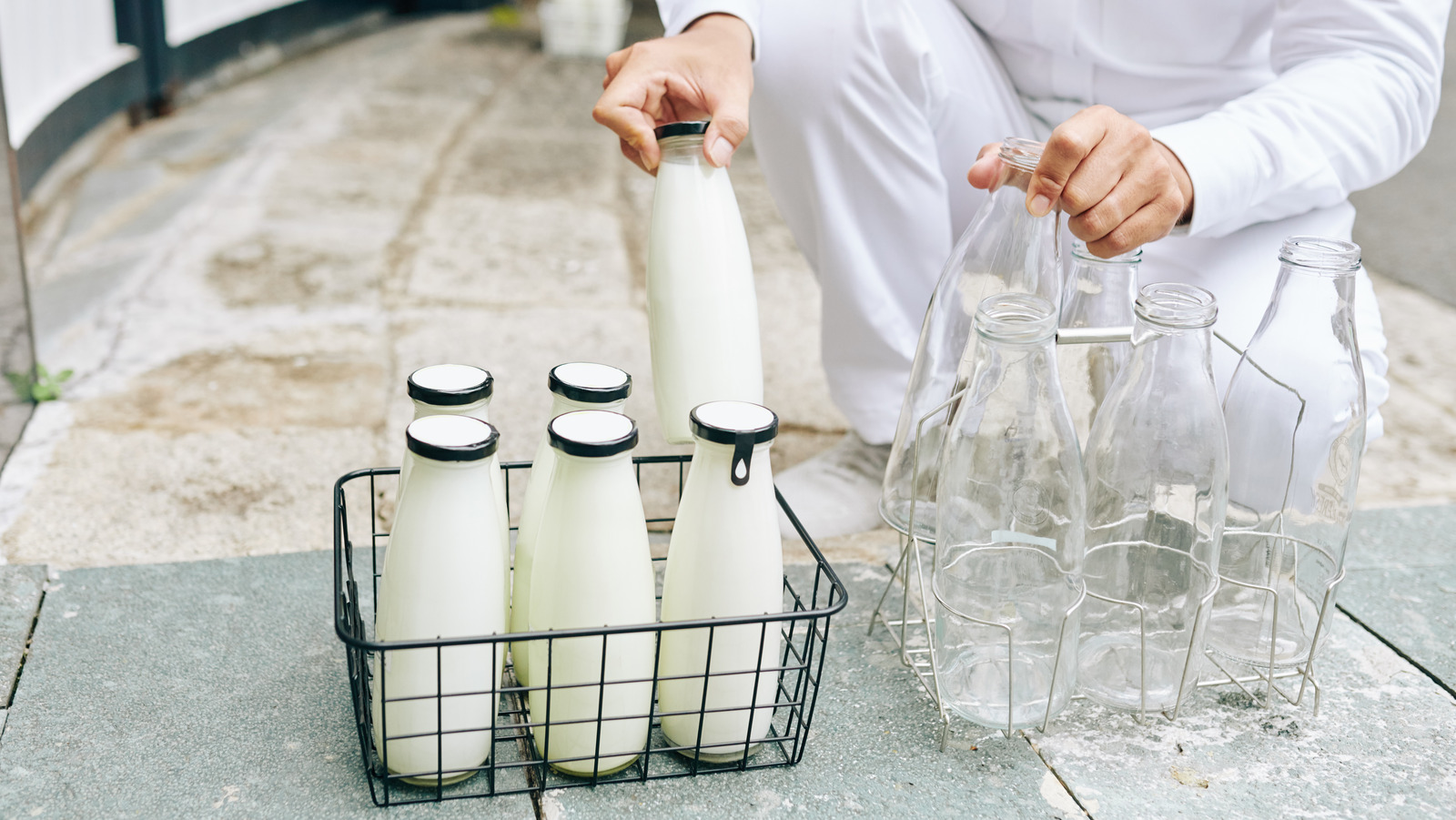
When you search local milk delivery, glass bottles look beautiful. They're also expensive.
What drives the cost:
- Bottle deposit: Most services charge $1.50-$3.00 per bottle upfront. You get it back when you return the bottle – but if you forget, you've paid extra.
- Round-trip logistics: Glass is heavy. Delivery trucks burn more fuel carrying glass bottles than plastic jugs. That cost gets passed to you.
- Breakage: Glass breaks. Some services build breakage fees into their prices (even if you never break a bottle).
The comparison:
- Grocery store milk (plastic gallon): $3.50-$5.00
- Milk delivery (glass half-gallon): $5.00-$8.00
- Organic milk delivery (glass half-gallon): $6.00-$10.00
The hidden math: That $6 half-gallon is actually $4.50 after bottle deposit return – but you have to remember to leave out the empty bottle. Miss a week, and you're paying double.
| Cost Element | Typical Amount | Refundable? |
|---|---|---|
| Milk (half-gallon) | $4.00 – $7.00 | No |
| Bottle deposit | $1.50 – $3.00 | Yes (when returned) |
| Delivery fee | $0 – $5.00 per delivery | No |
| Subscription minimum | $15 – $30 per order | N/A |
Part 2: The "Local" Definition – How Local Is Local, Really?
You want local milk delivery – but what does "local" actually mean?
The truth: Some services define "local" as within 100 miles. Others partner with regional dairies 200+ miles away. The milk is fresh, but it's not from the farm down the road.
What to check before you subscribe:
- Where is the dairy? Look up the address. Is it actually near you?
- Is it a dairy or a distributor? Some services buy milk from large producers and repackage it. That's not "local" in the farm-to-table sense.
- Do they offer farm tours? Legitimate local dairies often welcome customers to see the operation.
Red flag: The service claims "local" but won't disclose the dairy's location or source.
| Claim | What It Might Mean | What to Ask |
|---|---|---|
| "Local dairy" | Within 100-200 miles | "What's the dairy's address?" |
| "Family farm" | Could be a large family-owned operation | "Do you own the cows?" |
| "Locally bottled" | Milk may come from elsewhere, bottled locally | "Where does the raw milk come from?" |
Part 3: Subscription Traps – How "Convenient" Becomes Expensive
Most milk man delivery services use subscription models. Convenient, yes. But also designed to keep you paying.
Common subscription traps:
Trap #1 – Minimum order requirements
You want one half-gallon of milk. But the service requires a $25 minimum order. So you add yogurt, butter, eggs – things you don't need – to reach the threshold.
Trap #2 – Automatic recurring charges
You sign up for weekly delivery. Then you go on vacation. The milk keeps coming (and sitting on your porch). The charges keep hitting your card.
Trap #3 – Hard-to-cancel subscriptions
Some services require a phone call to cancel (during limited hours). Others have cancellation fees. A few make you click through five pages of "are you sure?" before you can stop.
How to protect yourself:
- Use a virtual credit card (Privacy.com, Revolut) with spending limits
- Set a calendar reminder to review your subscription every 3 months
- Check cancellation policy before you sign up
| Subscription Feature | What to Look For | Red Flag |
|---|---|---|
| Minimum order | $0 – no minimum | $20+ minimum |
| Cancellation | Online button or email | Phone call only (limited hours) |
| Pause feature | Yes, with a few clicks | No pause option |
| Recurring billing | Clear disclosure | Hidden in fine print |
Part 4: Delivery Windows – When "Early Morning" Means 4 PM
You expect fresh milk on your doorstep before breakfast. That's the promise of milk delivery. But the reality can be different.
What delivery actually looks like:
The ideal: Milk arrives between 4 AM and 7 AM. You wake up to a cold bottle.
The reality: Some services deliver as late as 9 PM. If you work from home, fine. If you're at the office, your milk sits outside all day.
What to ask before you subscribe:
- "What's your typical delivery window?"
- "Do you notify me when the delivery is complete?"
- "What happens if I'm not home? Do you leave a cooler?"
Pro tip: Look for services that offer insulated boxes or cooler bags. Without temperature control, milk left outside for hours in summer can spoil before you even open it.
Delivery WindowBest ForRisk 。4 AM – 7 AMEarly risers, home before workNone (if you're home) 。7 AM – 12 PMRemote workers, stay-at-home parentsMilk sits if you're out 。12 PM – 9 PMNot ideal for mostSpoilage risk in warm weatherPart 5: The Environmental Claim – Is Glass Actually Greener?
Glass bottles are reusable. That's good. But they're also heavy, which means delivery trucks burn more fuel.
The environmental trade-offs:
Pros of glass milk delivery:
- Bottles are washed and reused (up to 50 times)
- No plastic waste in landfills
- Supports local dairies (often smaller operations)
Cons:
- Heavier trucks = more CO2 per delivery
- Bottle washing uses water and energy
- If you don't return bottles, the system breaks
The truth: For someone who walks or bikes to the grocery store with a reusable bag, that's likely greener than home delivery. For someone who drives 10 miles to the store? Local milk delivery might be the lower-carbon choice.
Environmental FactorGrocery Store MilkMilk Delivery 。Packaging wastePlastic jugs (recyclable)Glass (reusable)| Transportation | You drive | Delivery truck drives |
|---|---|---|
| Energy use | Store refrigeration | Home refrigeration + delivery |
| Verdict | Depends on your driving habits | Depends on delivery distance |
Part 6: Milk Man Delivery – Is It Worth the Premium?
The nostalgia factor is real. A milk man delivery feels special. But is it worth paying 2x grocery store prices?
When milk delivery makes sense:
- ✅ You have dietary restrictions (raw milk, A2 milk, specific organic certifications hard to find in stores)
- ✅ You want to support a specific local dairy
- ✅ You struggle to get to the grocery store (mobility issues, busy schedule)
- ✅ You love the experience – and you're willing to pay for it
When grocery store milk makes more sense:
- ❌ You're on a tight budget (store milk is significantly cheaper)
- ❌ You only use milk occasionally (delivery services expect regular orders)
- ❌ You're not home during delivery windows
- ❌ You don't want to manage bottle returns
Part 7: How to Find the Best Milk Delivery Near Me – Step by Step
Step 1 – Search with specifics
Don't just search milk delivery near me. Search:
- "[Your city] dairy delivery"
- "Farm to doorstep milk [your city]"
- "Glass bottle milk delivery [your zip code]"
Step 2 – Check dairy affiliation
Is the service a dairy itself, or a distributor? Dairies that own their cows are more transparent about sourcing.
Step 3 – Read recent reviews
Look for patterns:
- "Milk arrived warm" (delivery temperature control issues)
- "Hard to cancel" (subscription traps)
- "Bottles broken" (handling issues)
Step 4 – Ask about their bottle return policy
- Do they pick up empties on the next delivery?
- Can you return bottles at a drop-off location?
- What happens if you forget to leave bottles out?
Step 5 – Try one delivery before subscribing
Many services offer a one-time delivery without subscription. Test the quality, delivery time, and customer service before committing.
Part 8: Frequently Asked Questions About Milk Delivery
How much does milk delivery cost?
$5-$10 per half-gallon, plus bottle deposit ($1.50-$3.00) and possible delivery fee ($0-$5). Most services have a minimum order of $15-$30.
Do milk delivery services offer non-dairy options?
Many now offer oat, almond, and soy milk. But check if they're in glass bottles (some use plastic cartons for non-dairy).
Can I skip a week?
Most subscription services allow you to skip deliveries. Check if you need to give 48-72 hours' notice.
What happens if I move?
Some services only deliver within specific zip codes. If you move outside their area, you'll need to cancel.
Is raw milk delivery legal?
Raw milk laws vary by state. In some states, raw milk can only be purchased directly from farms, not delivered. Check your local laws.
Do milk delivery services deliver to apartments?
Yes, but you need ground-floor access or a secure location for the bottles. Some services won't deliver to buildings without a doorman or secure entry.
Part 9: Your Action Plan – Trying Milk Delivery Without Getting Trapped
Step 1 – Research (1 hour)
Search milk delivery near me and local milk delivery. Make a list of 3-5 services.
Step 2 – Check each service's website
Look for:
- Dairy source (do they name the farm?)
- Delivery window
- Cancellation policy
- Bottle deposit amount
Step 3 – Call and ask (15 minutes per service)
- "Do you offer a one-time delivery without subscription?"
- "What's your cancellation process?"
- "What happens to the bottle deposit if I move?"
Step 4 – Try the cheapest option first
Start with a service that has no minimum order and a low bottle deposit. Test one delivery.
Step 5 – Track your costs
After one month, compare:
- Total spent on milk delivery
- Total you'd spend at the grocery store
- Decide if the premium is worth it to you
Key documents to keep:
- Subscription confirmation email
- Cancellation policy screenshot
- Bottle deposit tracking (how many you've returned)

