
The Aesthetic Injection Boom: Why Careers in Botox and Fillers Are More Attractive Than Ever
The world of work is evolving rapidly, and some professions are stepping out of the shadows to gain new prestige and appeal. In the United States, the field of medical aesthetics—specifically non-surgical treatments like Botox and dermal fillers—is at the heart of this quiet revolution. Driven by cultural shifts, technological advancements, and changing patient expectations, these careers offer more than just a job; they provide a dynamic pathway to financial independence and professional flexibility. Let's decode why this sector is booming and analyze the dynamics at play in the American market.
The Aesthetics Revolution: A Sector Under High Voltage
The exponential growth of the "preventative aging" and self-care movements has acted as a powerful catalyst for the entire medical aesthetics industry. In the U.S., the demand for quick, effective, and minimally invasive procedures has redefined traditional beauty standards. Medical spas and dermatology clinics are no longer just for treating skin conditions; they have become wellness destinations where artistry and science meet. Technological innovations in injection techniques and product formulations—like newer neurotoxins and advanced hyaluronic acid fillers—don't replace the injector; they elevate the practitioner by allowing for more precise, natural-looking results and creating new opportunities for specialization. Simultaneously, a strong societal push towards self-investment and personal branding has made aesthetic treatments more mainstream and socially acceptable, creating a fertile ground for rewarding careers.
U.S. Market Overview: A Landscape of Diversity and Innovation
The aesthetic medicine landscape in the U.S. is characterized by its incredible diversity. You'll find a wide mix of practice settings, from high-volume medical spas in metropolitan areas to boutique plastic surgery offices and solo-practitioner medspas. Each setting has its own culture and requirements, creating numerous professional niches. A major trend is the rise of membership-based aesthetic clubs and the integration of aesthetic services into traditional dental or wellness practices to increase patient access and loyalty. Innovation is also palpable in business models, with the emergence of mobile injectors and an increasing focus on inclusivity, tailoring treatments for a diverse range of skin types and ethnicities. For a practitioner, this diversity means a broad choice of work environments and entrepreneurial paths.
Comparative Table of Work Environments in U.S. Aesthetics
| Criteria | High-Volume Medical Spa | Specialized Practice (e.g., Plastic Surgery, Dermatology) | Independent / Solo Practitioner |
|---|---|---|---|
| Pace & Activity | Fast-paced, driven by memberships and packages, often heavy on marketing | Measured pace, focus on surgical/post-op adjuncts and complex medical cases | Highly variable, driven by your own schedule, marketing, and client retention |
| Skills Prioritized | Efficiency, sales ability, client retention, teamwork | Advanced anatomical knowledge, precision, collaboration with physicians | Business acumen, clinical expertise, self-promotion, versatility |
| Career Growth | Towards lead injector, regional trainer for a franchise, or clinic manager | Towards physician extender, clinical educator for product companies, or OR liaison | Unlimited potential based on business success; can build and sell a practice |
| Culture & Vibe | Energetic, brand-focused, social media-driven, team-oriented | Clinical, meticulous, collaborative with a focus on medical outcomes | Entrepreneurial, independent, requires high self-discipline |
Careers and Evolution: Beyond the Syringe
While the role of the injector is the most visible, it's just the tip of the iceberg. The industry's growth has created roles such as the Aesthetic Nurse Educator, who travels to train other practices on specific product lines, or the Patient Care Coordinator, who acts as a consultant, guiding clients through their treatment plans. The business of aesthetics also offers outlets for Practice Management and Social Media Marketing, roles that are critical for success in a competitive market. With experience, an injector's career can evolve into opening their own practice, becoming a key opinion leader for pharmaceutical companies, or specializing in advanced reconstructions or post-cancer aesthetic rehabilitation. These paths are often supported by industry-sponsored training and prestigious certifications from boards like the American Academy of Facial Esthetics, highlighting the professionalism of the field.
Advice for Entering and Succeeding in the U.S. Aesthetics Field
To make the most of the opportunities, a strategic approach is essential.
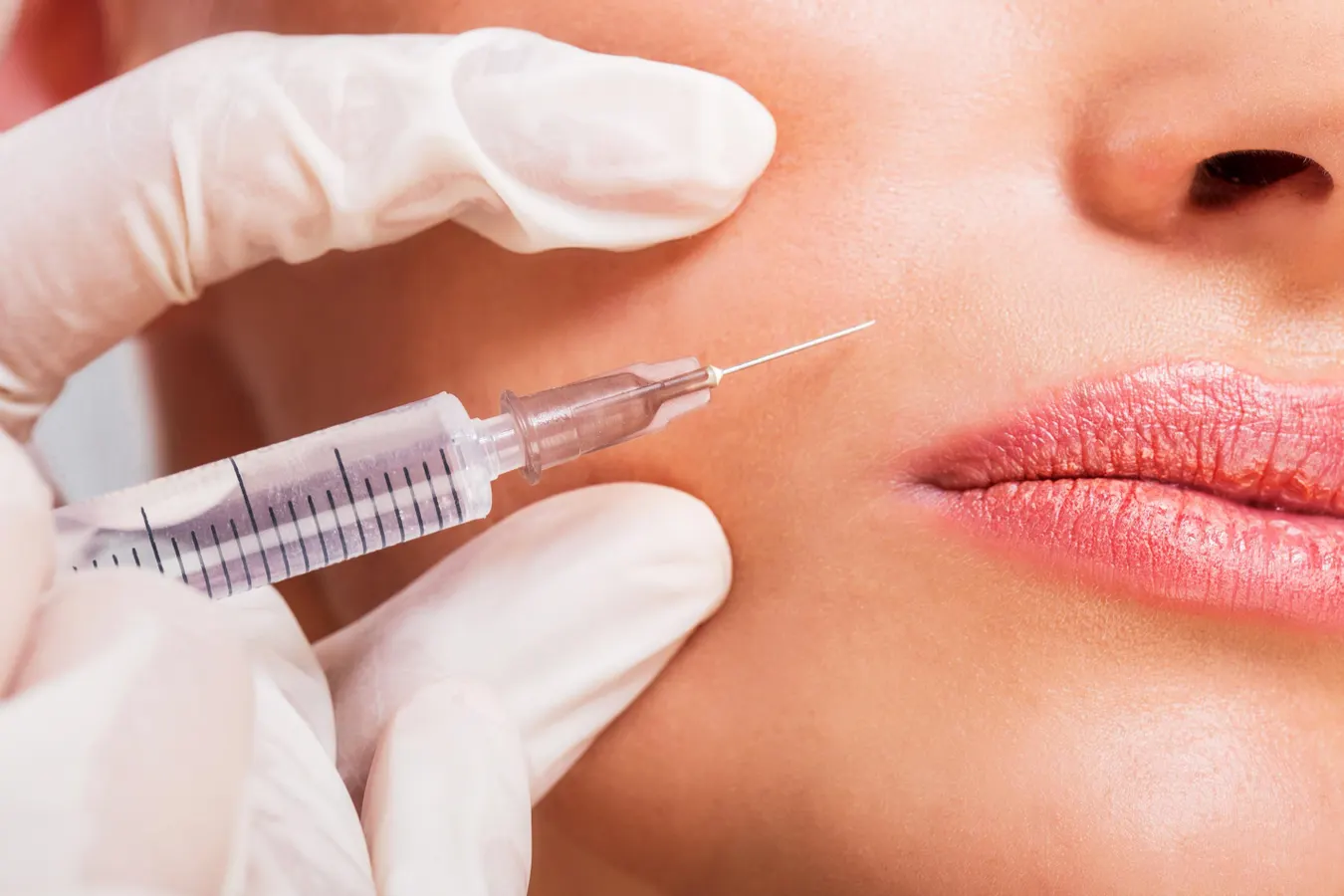
- Master Your Clinical Foundation: Before touching a syringe, gain solid experience in a clinical setting (e.g., ER, ICU, dermatology) to build the assessment skills and anatomical knowledge that form the basis of safe practice.
- Value Your Soft Skills: In a service-based industry, empathy, active listening, and the ability to build trust are just as important as technical skill. Patients return for the person as much as the result.
- Understand the Business Side: Showing an interest in patient retention, retail sales, and the financial goals of the practice will set you apart from purely clinical candidates.
- Research State Regulations: The scope of practice for Nurse Injectors and other non-physician providers varies significantly from state to state. Understanding your state's laws is the first non-negotiable step.
- Commit to Continuous Education: The anatomy is complex, and products evolve. Pursuing advanced Cadaver Labs and certifications from reputable institutions is crucial for both safety and career advancement.
Conclusion and Outlook
Working in medical aesthetics in the United States is a far cry from its past image as an unregulated luxury. It is now a modern, innovative, and accessible sector offering tangible professional and financial growth. Fueled by cultural trends and technological advancement, it represents a solid career option, particularly for those in the nursing and medical fields seeking greater autonomy and creativity. The variety of work environments and the clarity of potential career paths make it a compelling choice for those looking for a hands-on profession with a clear future.
Are you a medical professional intrigued by the field of aesthetics and want to explore opportunities? Start by researching the licensing requirements in your state and seeking out foundational training courses from reputable providers. Connecting with local study groups and established injectors can provide invaluable insight as you begin your journey in this exciting and evolving field.

