
Beauty Trends & Lifestyle Insights for Everyday US Shoppers
Beauty trends move quickly, but the most useful ideas are usually not about chasing every new product. For many US shoppers, the real value is learning how to compare skincare, makeup, hair care, fragrance, and personal care products before spending money. A trend may start on social media, in a celebrity routine, or through a seasonal retailer promotion, but it only becomes worthwhile when it fits your budget, lifestyle, skin preferences, and daily routine.
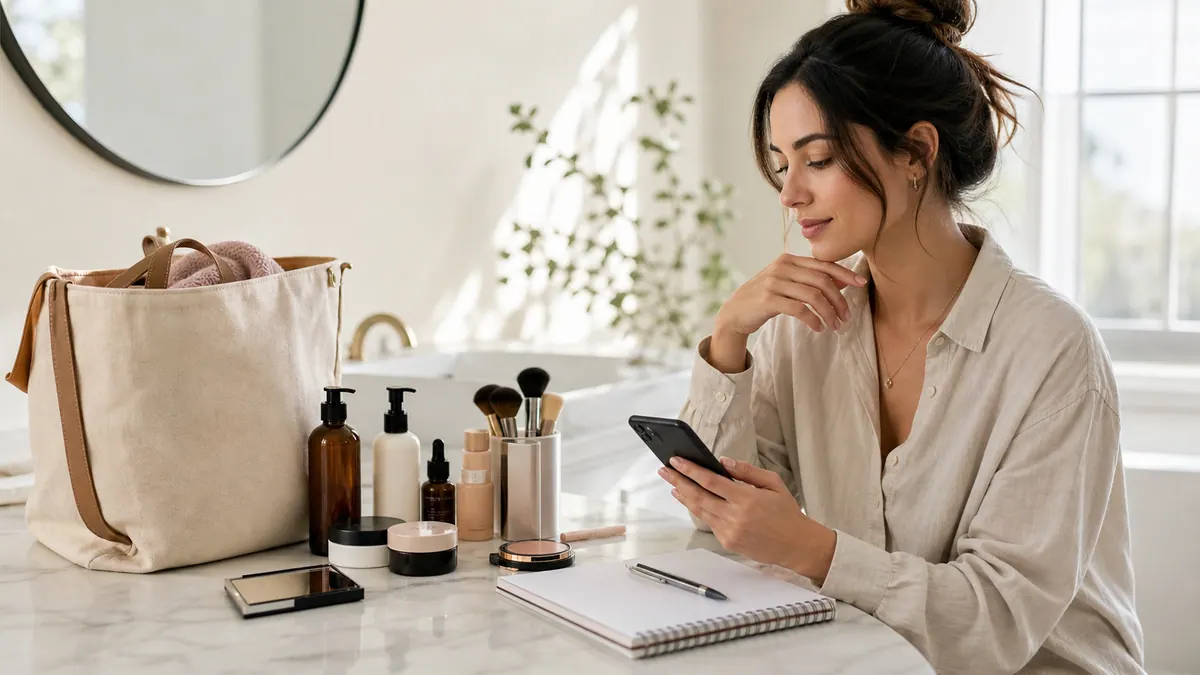
This guide takes a practical look at current beauty and lifestyle shopping patterns. Instead of treating every new launch as essential, it focuses on comparison points that help shoppers decide what is worth testing, what can wait, and where discounts may make a trial-size purchase more reasonable. The goal is not to promise perfect results or guaranteed savings. It is to help readers evaluate options with clearer expectations.
Why Beauty Trends Matter Beyond Style
Beauty content often looks visual and trend-driven, but it also reflects larger lifestyle changes. People are paying more attention to routines that save time, products that serve more than one purpose, and brands that explain ingredients, shade ranges, refill options, or subscription terms more clearly. These details matter because beauty purchases are often repeat purchases. A moisturizer, cleanser, shampoo, mascara, or sunscreen may become part of a monthly budget if it works well for the user.
For shoppers in the United States, the beauty market is especially broad. Drugstores, department stores, direct-to-consumer brands, warehouse clubs, salons, marketplaces, beauty specialty retailers, and subscription boxes all compete for attention. That creates opportunity, but it can also make comparison harder. A lower sticker price is not always the best value if the size is smaller, the return policy is limited, or the item requires a recurring subscription.
Trend 1: Practical Skincare Routines
One of the strongest beauty shifts is the move toward simpler skincare routines. Many shoppers are comparing basic steps such as cleanser, moisturizer, sunscreen, and targeted treatments instead of buying long routines with many overlapping products. This trend fits busy lifestyles and can be more manageable for people who want consistency.
When comparing skincare products, look at product size, frequency of use, texture, fragrance, return options, and whether the brand provides clear ingredient information. If a product contains strong exfoliating acids, retinoids, or other active ingredients, shoppers should read the instructions carefully and consider starting slowly. Beauty content should not be treated as medical advice, and people with specific concerns may need guidance from a qualified professional.
Shopping comparison tips for skincare
- Check cost per ounce: A larger bottle may be a better value, but only if you expect to use it before it expires.
- Compare routine overlap: Avoid buying several products that claim to do the same job unless you have a clear reason.
- Use trial sizes when available: Minis, sample sets, and travel sizes can reduce the risk of paying full price for an item that may not suit your preferences.
- Read return policies: Some US beauty retailers allow returns on gently used products, while others have stricter rules.
Trend 2: Multi-Use Makeup and Everyday Looks
Makeup trends are leaning toward flexible products that fit everyday routines. Tinted moisturizers, cream blushes, lip-and-cheek colors, brow gels, skin tints, and neutral eye palettes appeal to shoppers who want fewer steps. These items can be useful for workdays, travel, quick errands, and low-maintenance routines.
For value-focused shoppers, multi-use products can be helpful, but they should still be evaluated carefully. A product that works well on cheeks may not feel comfortable on lips. A skin tint may look good in natural light but wear differently in humid weather, during workouts, or after several hours. The best approach is to compare shade range, finish, wear time claims, applicator type, and whether the product requires additional tools.
How to compare makeup deals
- Look at shade availability: A discount is less useful if the available shades do not match your needs.
- Compare sets versus singles: Bundles can be convenient, but only if you will use most of the included items.
- Watch for seasonal kits: Holiday, summer, and back-to-school beauty kits often include smaller sizes that are useful for testing.
- Check expiration after opening: Mascara, liquid liner, and cream products may have shorter practical lifespans than powders.
Trend 3: Hair Care Built Around Lifestyle
Hair care shopping increasingly depends on lifestyle. Someone who heat-styles daily may compare protectant sprays and repairing masks, while someone with a low-maintenance routine may prioritize shampoo, conditioner, and a leave-in product. Shoppers are also comparing scalp care, curl care, color care, frizz control, and products designed for humid climates.
Because hair products are often used frequently, price-per-use matters. A salon product may last longer if it is concentrated, while a lower-cost product may be a better fit for families or shared bathrooms. The strongest comparison is not simply premium versus budget. It is whether the product matches hair type, styling habits, scent preferences, bottle size, and refill availability.
Trend 4: Clean, Conscious, and Transparent Beauty Claims
Many beauty shoppers are interested in cleaner formulas, cruelty-free positioning, vegan options, refillable packaging, recyclable containers, and ingredient transparency. These claims can be meaningful, but they are not all standardized in the same way. A label may sound appealing without giving enough detail to compare it properly.
For US readers, the practical move is to read beyond the front label. Look for specific ingredient lists, third-party certifications where relevant, clear sourcing explanations, and packaging details. Be cautious with broad phrases that sound impressive but are not clearly defined. A neutral comparison approach helps shoppers decide whether a brand’s values, product performance, and price fit together.
Trend 5: Beauty Subscriptions and Auto-Ship Offers
Beauty subscriptions can be convenient for people who like trying new products or replenishing staples. Subscription boxes may include makeup, skincare, fragrance samples, hair care, and lifestyle items. Auto-ship programs may offer recurring deliveries for a product you already use. These options can create value, but they should be reviewed carefully before checkout.
Before signing up, compare cancellation rules, shipping fees, refill frequency, product customization, skipped-shipment options, and whether discounts apply only to the first order. Introductory pricing can be attractive, but the regular renewal price is the number that matters most. Shoppers should also check whether unused products will pile up faster than they can be used.
Subscription checklist
- Confirm renewal price: The first box or first shipment may be discounted, while later charges may be higher.
- Check cancellation access: Look for clear online cancellation or pause options before subscribing.
- Review shipping timing: Monthly deliveries may not fit every routine.
- Compare product control: Some boxes allow more customization than others.
Where US Shoppers Commonly Find Beauty Discounts
Beauty discounts appear across several types of retailers. Drugstores may offer loyalty rewards, weekly promotions, and buy-one-get-one offers. Beauty specialty stores may provide birthday gifts, point systems, sale events, and brand-specific promotions. Department stores may include gift-with-purchase events. Brand websites may offer first-order discounts, bundles, free shipping thresholds, or subscription pricing.
Marketplaces can also be appealing, but shoppers should pay attention to seller reputation, return rules, and product authenticity indicators. For personal care items, it is usually better to buy from a trusted retailer or the brand’s official store within a marketplace when available. A very low price from an unfamiliar seller may not be worth the uncertainty.
How to Decide Whether a Beauty Deal Is Actually Useful
A good beauty deal should match a real need. Buying a product only because it is discounted can still waste money if it stays unused. A practical method is to divide purchases into three groups: routine staples, occasional upgrades, and trend experiments. Staples include items you already use regularly, such as cleanser, moisturizer, shampoo, conditioner, sunscreen, deodorant, or basic makeup. Occasional upgrades might include a higher-end serum, styling tool, fragrance, or treatment mask. Trend experiments are products you are curious about but do not yet know if you will use often.
For staples, discounts can be useful when the product has a reasonable shelf life and the price is clearly lower than your normal purchase price. For upgrades, compare features and reviews before buying. For trend experiments, look for minis, sample kits, or retailer return policies. This approach keeps shopping flexible without letting trends control the whole budget.
Red Flags to Avoid in Beauty and Lifestyle Promotions
Some beauty promotions use language that is too strong or too vague. Be careful with claims that suggest guaranteed results, dramatic transformation, or unrealistic timeframes. Personal care products can support a routine, but outcomes vary by person. A product that works well for one shopper may not feel, wear, smell, or perform the same way for someone else.
Also watch for unclear discount terms. A banner may advertise a large percentage off, but the promotion may apply only to selected products, require a high minimum order, exclude popular brands, or convert into a subscription at checkout. Always review the cart before paying, including shipping, taxes, return rules, and future billing if applicable.
Beauty Lifestyle Planning: Building a Smarter Routine
A practical beauty routine is not only about products. It includes storage, timing, travel needs, climate, work schedule, and personal preferences. Someone living in a dry climate may prioritize richer moisturizers, while someone in a humid region may prefer lightweight textures. A frequent traveler may value compact packaging and spill-resistant caps. A shopper with limited morning time may prefer products that apply quickly and do not require many tools.
Before buying into a trend, ask how the product will fit into a normal week. Will it replace something you already use, or add another step? Does it require a brush, sponge, sharpener, charger, refill, or special storage? Does the brand offer shade descriptions, swatches, or comparison photos that make online shopping easier? These practical details often matter more than the trend label.
Seasonal Beauty Buying Guide
Beauty shopping has seasonal patterns in the US. Spring often brings lighter makeup, sunscreen restocks, fragrance launches, and wedding-season products. Summer promotions may focus on SPF, sweat-resistant makeup, travel sizes, body care, and hair products for humidity or sun exposure. Fall often features richer colors, back-to-school basics, and routine resets. Winter shopping may include gift sets, moisturizers, lip care, hair masks, and holiday bundles.
Seasonal shopping can be useful when the timing matches your real needs. Gift sets can offer good variety, but shoppers should check whether the included shades, scents, or formulas are actually useful. Clearance items may be discounted because packaging is changing, a shade is being discontinued, or the retailer is making room for new inventory. That can be a good opportunity for familiar products, but less ideal for items you have never tried.
FAQ: Beauty Trends, Discounts, and Lifestyle Shopping
Are expensive beauty products always better?
No. Price can reflect packaging, brand positioning, ingredient sourcing, research, retailer margins, or marketing. Some premium products are well made, and some affordable products perform very well. Compare the product’s purpose, ingredient transparency, size, reviews, and return policy instead of assuming price equals quality.
What is the safest way to try a new beauty trend?
Start with a low-commitment option when possible. Trial sizes, samples, travel kits, and single products are usually more practical than buying a full routine at once. Read instructions carefully, especially for active skincare or tools that require specific use.
Do beauty loyalty programs help shoppers save?
They can, especially for products you already buy. However, points and rewards should not encourage unnecessary purchases. Compare the final price after discounts, shipping, and taxes, and check whether points expire.
Should I buy beauty products from marketplaces?
Marketplaces can be convenient, but seller quality varies. For personal care items, compare seller reputation, return options, product packaging details, and whether the listing is connected to the brand or a trusted retailer.
How often should I replace makeup?
Replacement timing depends on the product type, packaging, storage, and manufacturer guidance. Products used near the eyes, such as mascara and liquid liner, generally require more caution. If a product changes smell, texture, or appearance, it is better to stop using it.
Final Takeaway
Beauty trends and lifestyle insights are most useful when they help shoppers make better comparisons. For US consumers, the strongest approach is to balance inspiration with practical checks: product size, routine fit, ingredient clarity, shade range, shipping cost, return policy, renewal terms, and realistic expectations. A trend may be worth trying, but it does not need to become a full routine overnight.
Smart beauty shopping is less about buying everything new and more about knowing what serves your daily life. Compare before you commit, test when possible, and treat discounts as a tool rather than a reason to buy. That approach makes beauty shopping more intentional, flexible, and easier to manage across changing seasons and personal routines.

