
Office and Workplace Cleaning: Practical Work Built Around Reliability
Office and workplace cleaning is one of the everyday services that keeps professional spaces usable, organized, and ready for the people who depend on them. In the United States, these roles may appear under several job titles, including janitorial worker, custodian, commercial cleaner, office cleaner, facility service worker, or workplace cleaning associate. The setting can vary widely: office towers, schools, clinics, banks, coworking spaces, retail back rooms, warehouses, call centers, municipal buildings, and multi-tenant commercial properties may all need regular cleaning support.
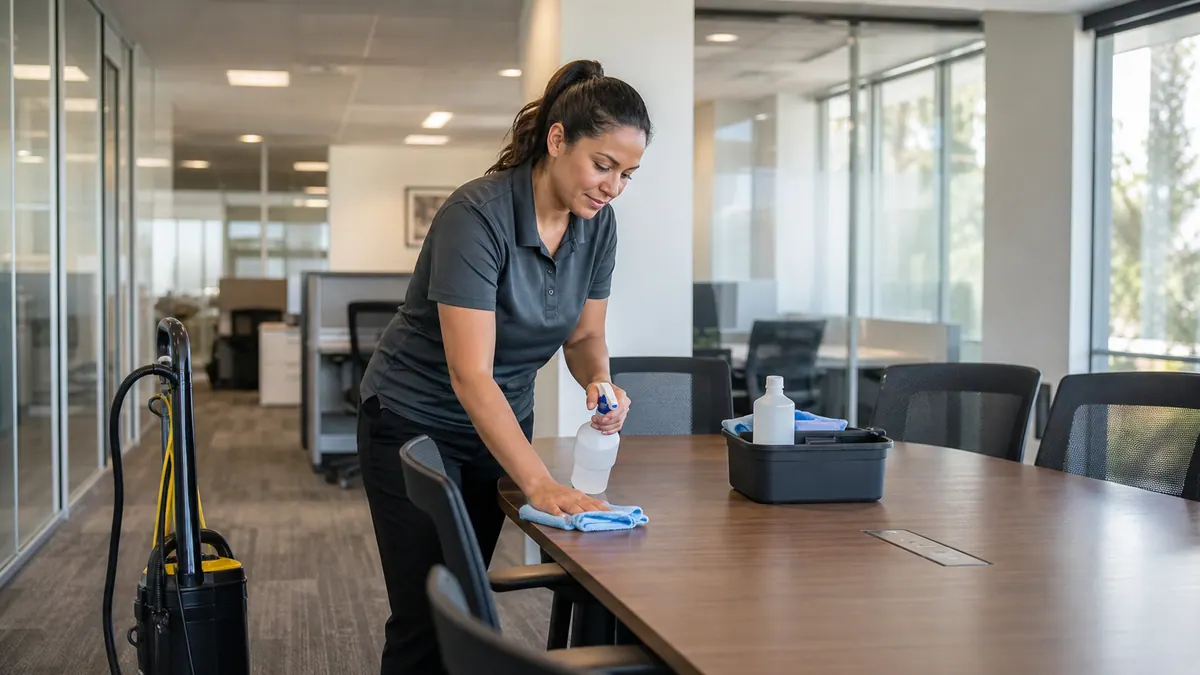
For people comparing accessible work options, office cleaning can be worth reviewing because many roles emphasize dependability, consistency, attention to detail, and the ability to follow instructions more than formal education. Some employers prefer prior cleaning experience, but many entry-level postings include task-based training. Schedules may also differ by building, with morning, daytime, evening, overnight, weekend, part-time, and full-time shifts appearing in different markets.
That said, office cleaning jobs are not all the same. A small evening route in a private office can feel very different from cleaning a large medical building, school, or warehouse facility. Pay, route size, benefits eligibility, supervision, equipment, safety training, and physical demands can differ by employer and location. A useful job comparison should go beyond the job title and look closely at the facility type, assigned areas, shift expectations, travel requirements, supplies provided, and how the employer handles safety procedures.
Why Clean Workplaces Matter
A clean workplace affects how employees, visitors, clients, students, patients, and contractors experience a shared space. Trash buildup, dusty surfaces, stained floors, cluttered break rooms, and poorly maintained restrooms can make an office feel uncomfortable and poorly managed. Regular cleaning supports a more orderly environment and helps keep daily operations moving without unnecessary distractions.
Some cleaning work is easy to notice, such as vacuuming carpets, emptying trash bins, mopping hard floors, wiping desks, and restocking restroom supplies. Other tasks are less visible but still important. Cleaners may disinfect high-touch points, separate waste from recycling, check supply closets, report damaged fixtures, secure carts and products, and follow a route designed to keep busy areas usable without interrupting the workday.
In many office buildings, cleaning teams complete much of their work before employees arrive or after they leave. This can make the role less visible than customer-facing jobs, but it also makes reliability especially important. If a route is missed, the issue may be obvious the next morning. A dependable cleaning worker helps maintain a consistent baseline of order that the rest of the workplace can rely on.
Common Duties in Office Cleaning Jobs
The exact duties depend on the employer, contract, building rules, and size of the facility. A small professional office may require light daily maintenance, while a larger commercial property may divide tasks by floor, department, restroom bank, lobby, or secure area. Most roles combine routine cleaning with observation, time management, and careful use of products and equipment.
- Work areas: Dusting desks, wiping surfaces, cleaning conference tables, emptying trash, straightening chairs, and returning shared items to an orderly position.
- Floors: Vacuuming carpet, sweeping hard floors, mopping, spot-cleaning spills, and reporting hazards such as loose mats, wet areas, or damaged flooring.
- Restrooms: Cleaning sinks, counters, toilets, mirrors, floors, partitions, dispensers, and restocking paper products or soap as directed.
- Break rooms: Wiping counters, cleaning tables, removing trash, sweeping, mopping, and checking shared appliances when those tasks are part of the assignment.
- High-touch surfaces: Cleaning door handles, elevator buttons, light switches, railings, shared phones, reception counters, and other frequently used areas.
- Waste handling: Emptying bins, replacing liners, moving trash to collection points, and following recycling or disposal procedures.
- Supply care: Using products according to instructions, storing chemicals safely, keeping carts organized, and reporting low inventory before supplies run out.
Some worksites may include additional duties such as floor buffing, carpet extraction, window cleaning, post-construction cleanup, event cleanup, or periodic deep cleaning. These tasks may require equipment training or different safety procedures. Applicants should ask whether specialized tasks are expected from the first day or introduced later as optional skill development.
Responsibility and Attention to Detail
Professional cleaning may look simple from the outside, but doing it well requires a systematic approach. A cleaner needs to understand the assigned route, know which products are suitable for different surfaces, use tools safely, and complete the work without damaging office property. Small details matter. A missed trash bin, streaked mirror, empty soap dispenser, or restroom that was not cleaned thoroughly can affect how the entire facility is perceived.
The job also requires judgment. A worker may need to notice when a spill creates a slip risk, when a surface needs special care, when a supply is running low, or when a locked room cannot be accessed. In some buildings, cleaners work near desks, files, computers, mail areas, or restricted rooms, so respecting property and following confidentiality rules can be part of the role.
Time management is another key skill. Many cleaning routes are built around a fixed shift, and workers may be expected to complete a defined list of areas before the shift ends. That requires keeping a steady pace, prioritizing tasks when something unexpected happens, and using supplies efficiently. People who prefer clear routines and visible results may find this structure appealing.
Schedule Options: Morning, Evening, Part-Time, and Full-Time
One reason office cleaning appears in many job searches is the range of possible schedules. Some offices need early morning cleaning before staff arrive. Others need evening cleaning after business hours. Facilities that operate longer hours may offer overnight or weekend shifts. Schools, clinics, government contractor sites, and commercial buildings may have schedules tied to opening hours, security access, or tenant agreements.
For students, caregivers, retirees, or workers looking for supplemental income, part-time evening cleaning may be a practical schedule to compare. For people seeking more hours, full-time custodial or facility service roles may include broader responsibilities, team assignments, supply management, or more direct supervision. Availability depends on the city, employer, contract, and building type, so each posting should be reviewed carefully.
Before applying, compare the schedule details rather than relying on broad phrases such as flexible hours. Useful questions include whether the shift is fixed or variable, whether weekends are required, whether the worker travels between multiple sites, whether public transportation is available at the shift time, and how overtime is handled when extra cleaning is needed. A job may advertise flexible scheduling but still have strict attendance expectations once hired.
Entry-Level Access and Training
Many office cleaning jobs are accessible to applicants without a college degree or long employment history. Employers may focus on punctuality, ability to follow written or verbal instructions, physical stamina, attention to detail, and willingness to learn safe cleaning practices. Depending on the worksite, some positions may require work authorization verification, a background check, a valid driver’s license, a certain lifting ability, or compliance with building access rules.
Training often covers cleaning routes, product labels, personal protective equipment, safe chemical handling, equipment use, restroom procedures, waste disposal, supply storage, incident reporting, and building-specific rules. A new worker may shadow an experienced cleaner before working independently. In larger companies, supervisors may use checklists, inspections, or quality reviews to keep standards consistent across multiple sites.
Some employers use microfiber systems, safer storage practices, eco-conscious products, ergonomic tools, or updated equipment, while others use more basic supplies. Applicants should feel comfortable asking what tools are provided, whether gloves or other protective equipment are included, how products are labeled, and how workers report unsafe conditions. These questions are practical, not demanding; they help clarify how the job is actually managed.
What to Compare Before Accepting a Cleaning Job
The cleaning sector includes large national contractors, local cleaning companies, schools, property managers, healthcare-adjacent facilities, private businesses, and public or semi-public worksites. Two postings with similar titles can involve very different daily conditions. One role may be a quiet evening office route, while another may require multiple buildings, heavier floor-care equipment, or frequent interaction with tenants and security staff.
- Worksite type: Compare whether the location is an office, school, clinic, retail space, warehouse, bank, government contractor site, or multi-tenant building.
- Shift pattern: Review whether the role is fixed, rotating, early morning, daytime, evening, overnight, weekend, part-time, or full-time.
- Travel requirements: Ask whether the role is at one location or several sites, and whether mileage, parking, or transit access matters.
- Training: Look for onboarding, safety instruction, equipment training, chemical handling guidance, and written procedures.
- Physical demands: Consider standing, bending, lifting, pushing carts, moving trash bags, stairs, and repeated motions.
- Supplies and equipment: Confirm whether tools are provided, maintained, stored properly, and replaced when needed.
- Supervision: Compare independent routes, team-based work, lead cleaner support, and regular manager inspections.
- Compensation details: Review hourly pay, pay frequency, benefits eligibility, paid time off, mileage reimbursement, and overtime policy where applicable.
No posting should be evaluated only by phrases such as easy work, fast hiring, or flexible schedule. A clearer comparison looks at the actual duties and conditions. A responsible employer should be able to explain the route, expected tasks, shift time, safety procedures, supervision, and training process before or during the interview stage.
Skills That Help Workers Succeed
Office cleaning rewards habits that are useful in many types of work. Reliability is central because cleaning usually happens on a schedule that affects the next day’s operations. Detail orientation matters because small missed tasks become visible quickly. Communication helps when reporting supply shortages, broken fixtures, access issues, spills, or safety concerns.
- Consistency: Completing the same route thoroughly even when the work is repetitive.
- Organization: Keeping carts, supplies, keys, checklists, and assigned areas in order.
- Safety awareness: Reading labels, using protective equipment, placing wet floor signs, and following procedures.
- Respect for property: Working carefully around desks, electronics, personal items, documents, and restricted areas.
- Self-management: Staying on pace while working independently or with limited supervision.
- Teamwork: Coordinating with other cleaners, supervisors, building staff, tenants, or security personnel when needed.
These skills can transfer to other facility roles, hospitality work, maintenance support, warehouse operations, school custodial work, and supervisory positions. Even when a cleaning role starts as entry-level, it can help build a work record that shows attendance, responsibility, and practical problem-solving.
Possible Growth Paths in Commercial Cleaning
Workplace cleaning can remain a steady part-time role, but it can also lead to more specialized work depending on the employer and local market. With experience, some workers move into lead cleaner, shift supervisor, site manager, floor care technician, quality control inspector, training assistant, or operations coordinator roles. Others use cleaning experience to move into broader facilities, building services, property maintenance, hospitality, or school operations positions.
Growth depends on the size of the cleaning operation, the worker’s availability, the employer’s promotion practices, and the skills needed at each site. Larger commercial cleaning companies may have more formal advancement paths. Smaller businesses may offer broader hands-on experience but less formal structure. Workers interested in advancement can ask about additional training, certifications, equipment skills, performance reviews, and how supervisors choose people for expanded responsibilities.
Specialized skills such as carpet care, hard floor maintenance, infection-control cleaning procedures, green cleaning practices, inventory support, or team scheduling may increase a worker’s range of options. However, applicants should avoid assuming that every job automatically includes promotion or higher pay. It is better to ask specific questions and compare the answer with the written job posting.
Practical Questions to Ask Before Applying
A short list of practical questions can help applicants avoid surprises. These questions are especially useful when comparing several cleaning jobs in the same city or when a posting is brief.
- Where is the work performed? Ask whether the job is at one site or multiple buildings.
- What areas are assigned? Clarify offices, restrooms, break rooms, lobbies, stairs, elevators, or exterior areas.
- What is the shift? Confirm start time, end time, weekend requirements, and whether hours change by season or contract.
- What training is provided? Ask about chemical safety, equipment use, route training, and who answers questions during the first weeks.
- What equipment is used? Confirm whether carts, vacuums, floor machines, gloves, and other supplies are provided.
- How is quality checked? Ask whether there are checklists, inspections, or supervisor walkthroughs.
- What physical tasks are expected? Review lifting, stairs, carts, trash removal, and repeated bending or reaching.
- How is pay handled? Confirm hourly rate, pay schedule, overtime policy, benefits eligibility, and mileage reimbursement if travel is required.
Bottom Line
Office and workplace cleaning can be a practical job category for people who value routine, steady expectations, flexible shift possibilities, and work that produces visible results. The role may be accessible to entry-level applicants, and many employers provide training for specific routes, products, and equipment. At the same time, the details matter. Facility type, route size, physical demands, supervision, safety practices, schedule, pay, and travel requirements can change the experience significantly.
The strongest approach is to compare postings carefully, ask clear questions, and look for employers that explain the work honestly. Office cleaning is not just about wiping surfaces or emptying bins. Done well, it requires reliability, attention to detail, respect for shared spaces, and the discipline to keep a building ready for the people who use it every day.

