
Beauty Trends & Lifestyle Insights for Everyday Shoppers
Beauty and lifestyle shopping in the United States has become less about following one single look and more about building a routine that fits your budget, schedule, skin needs, personal style, and shopping habits. Many people now compare products across drugstores, beauty retailers, direct-to-consumer websites, subscription boxes, department stores, and online marketplaces before buying. That creates more choice, but it also makes it easier to overpay or buy items that do not match your actual routine.
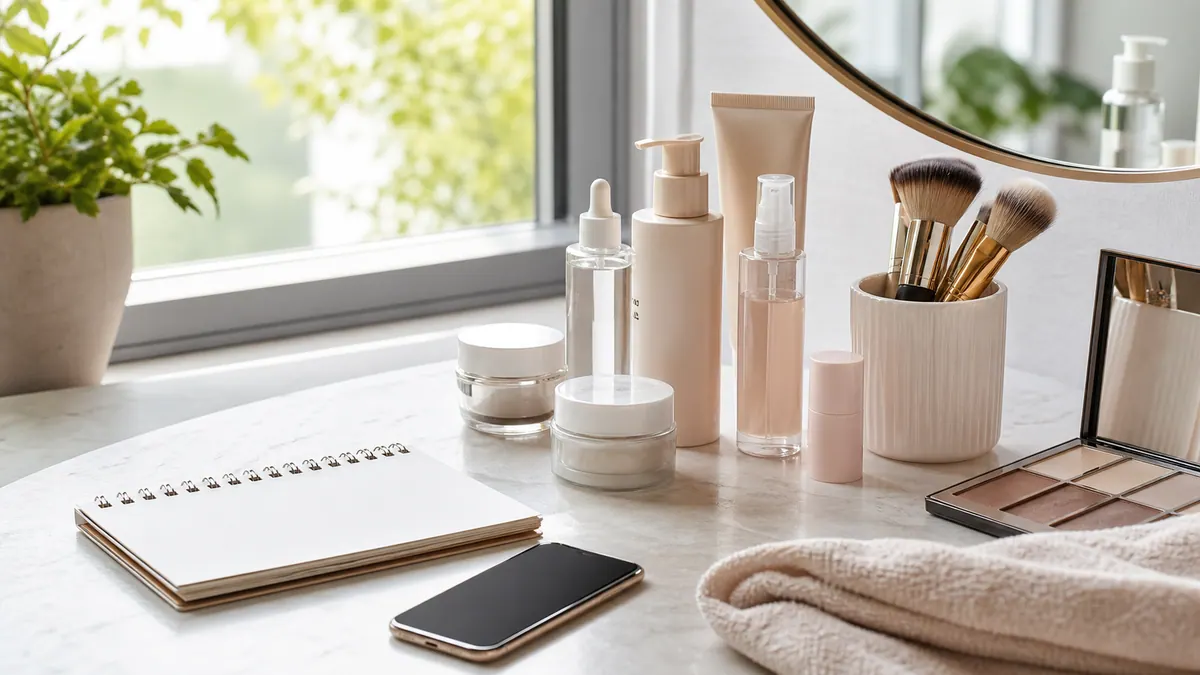
This guide looks at current beauty and lifestyle shopping patterns from a practical point of view. Instead of treating every trend as a must-have, it explains how to compare skincare, makeup, haircare, fragrance, grooming, and wellness-adjacent products in a neutral way. The goal is to help readers understand which categories may be worth exploring, what details to check before purchasing, and how to use discounts responsibly without assuming that a sale automatically means good value.
Why Beauty Shopping Has Changed
Beauty used to be driven heavily by seasonal launches and department store counters. Those still matter, but the modern shopping journey is broader. A shopper may discover a product through a short video, check reviews on a retailer site, compare ingredients on a brand page, look for a coupon code, then decide whether to buy the full size or start with a travel size. This layered process means that good content should help people compare, not pressure them.
US shoppers also have different needs based on climate, lifestyle, age, work schedule, allergies, fragrance sensitivity, budget, and personal values. Someone living in a dry winter climate may care more about barrier-supporting moisturizers, while someone in a humid region may prefer lightweight textures. A commuter may value quick routines, while a beauty hobbyist may enjoy multi-step product testing. Useful beauty guidance should leave room for these differences.
Trend 1: Simple Skincare Routines With Fewer Steps
One of the strongest beauty trends is the move toward simpler routines. Many consumers are no longer trying to use ten products every morning and night. Instead, they are comparing core categories such as cleanser, moisturizer, sunscreen, and one targeted treatment. This approach can be easier to maintain and may reduce waste from products that sit unused.
When comparing skincare products, look at texture, intended use, ingredient focus, package size, return policy, and whether the product fits your existing routine. For example, a moisturizer with a rich texture may be better for nighttime or dry climates, while a gel cream may feel more comfortable under makeup. A lower-priced product is not automatically worse, and an expensive product is not automatically better. Value depends on how often you use it and whether it solves a specific need for you.
Skincare Shopping Checklist
- Check the product role: Decide whether the item is a daily basic, occasional treatment, or optional add-on.
- Compare cost per ounce: A larger bottle may be a better value, but only if you will finish it before it expires.
- Read usage directions: Some products are intended for morning, night, or limited weekly use.
- Look for patch test guidance: This is especially helpful for products with exfoliating acids, retinoids, fragrance, or strong actives.
- Avoid overbuying: Starting with one new product at a time makes it easier to understand what works for your routine.
Trend 2: Sunscreen as a Daily Lifestyle Product
Sunscreen has moved from a beach-only item to a daily personal care category. Many US shoppers now compare facial sunscreens based on finish, texture, tint, water resistance, compatibility with makeup, and whether they leave a visible cast. This makes the category more lifestyle-driven than before.
For AFS-friendly shopping content, sunscreen should be discussed as a personal care and sun protection product, not as a medical promise. Readers can compare SPF level, broad-spectrum labeling, application feel, and reapplication instructions. Since preferences vary widely, it is useful to mention that the best option is usually the one a person is comfortable applying consistently according to label directions.
Trend 3: Makeup That Works With Real Schedules
Makeup trends are also becoming more practical. Many shoppers want products that can handle commuting, office lighting, social events, video calls, school schedules, or quick errands. Instead of buying a full face of new products, shoppers often compare multi-use sticks, skin tints, brow gels, tubing mascaras, setting sprays, and lip products that are easy to reapply.
A useful comparison guide should separate visual preference from product function. A dewy skin tint may look fresh but may not suit every climate or skin type. A matte foundation may last longer for some shoppers but feel too dry for others. Lip stains can reduce reapplication, while glosses may feel more comfortable. The best choice depends on what the buyer wants the product to do during the day.
Makeup Features Worth Comparing
- Finish: Matte, satin, radiant, glossy, or natural-looking finishes create different effects.
- Wear time: Some products are designed for long wear, while others prioritize comfort and easy removal.
- Shade range: Compare undertones and shade descriptions carefully, especially when shopping online.
- Format: Cream, powder, liquid, stick, pencil, and balm formats each work differently.
- Return options: Beauty return policies vary by retailer, product condition, and purchase channel.
Trend 4: Haircare Built Around Scalp, Texture, and Maintenance
Haircare shoppers are paying closer attention to scalp comfort, hair texture, styling time, and maintenance costs. Products such as clarifying shampoos, leave-in conditioners, heat protectants, scalp scrubs, bonding products, curl creams, dry shampoos, and hair oils are often compared based on hair type and routine frequency.
For US readers, it is helpful to discuss haircare by use case rather than claiming one product is universally best. Fine hair may need lightweight formulas. Coily or curly hair may benefit from moisture-focused styling products. Color-treated hair may require gentler cleansing and heat protection. Someone who uses hot tools often may prioritize protection and smoothing, while someone who air-dries may care more about frizz control and definition.
Trend 5: Fragrance Discovery Without Overspending
Fragrance has become a major lifestyle category, but full-size bottles can be expensive. Many shoppers now use discovery sets, travel sprays, samples, and seasonal promotions before committing to a larger purchase. This is a practical way to compare scent families such as fresh, floral, woody, amber, citrus, aquatic, gourmand, and clean musk styles.
When writing about fragrance, avoid presenting scent as a guaranteed compliment-getter or a status symbol. A better approach is to explain how personal preference, body chemistry, setting, and strength affect the experience. Readers can compare concentration, bottle size, sample availability, return rules, and whether the fragrance is suitable for work, evening, warm weather, or casual daily use.
Trend 6: Wellness-Adjacent Beauty Products
Beauty and lifestyle categories often overlap with wellness, but claims should stay careful and neutral. Products such as bath soaks, body lotions, aromatherapy-style candles, sleep masks, massage tools, silk pillowcases, and shower steamers may support comfort, relaxation, or a more enjoyable routine. They should not be described as diagnosing, treating, or curing health conditions.
For shoppers, the practical comparison points are material quality, fragrance level, ease of cleaning, size, durability, refill options, and whether the item fits the buyer's home routine. A product that looks appealing online may not be useful if it requires more storage, maintenance, or replacement than the shopper expects.
How Discounts Fit Into Beauty and Lifestyle Shopping
Discounts can help reduce costs, but they should be evaluated carefully. A 20 percent discount on a product you do not need is still extra spending. A smaller discount on a product you already planned to buy may be more useful. US shoppers commonly compare retailer coupons, loyalty points, seasonal sales, gift-with-purchase offers, subscription discounts, and bundle pricing.
The key is to separate price from value. A bundle may look attractive but include shades or products you will not use. A subscription can lower the price but may create unwanted repeat shipments. A gift-with-purchase can be nice, but it should not be the main reason to overspend. For practical shopping, keep a list of regular-use products and compare sale prices against typical retail prices before checking out.
Discount Comparison Tips
- Compare final checkout price: Include shipping, taxes, minimum spend requirements, and excluded items.
- Check coupon limits: Some codes do not apply to prestige beauty, sale items, bundles, or new launches.
- Review auto-renewal terms: Subscription discounts may continue billing unless canceled according to the retailer's rules.
- Look at expiration dates: Stocking up only makes sense for products you can use within a reasonable time.
- Use loyalty points strategically: Points are most useful when redeemed on items you already intended to purchase.
Drugstore, Specialty Retailer, or Direct Brand Site?
Beauty shoppers often face the same question: should they buy from a drugstore, a beauty specialty retailer, a department store, a marketplace, or the brand's own site? Each channel has advantages and tradeoffs. Drugstores may offer accessible pricing and frequent promotions. Specialty retailers may offer wider shade ranges, loyalty rewards, and curated reviews. Department stores may carry premium brands and gift sets. Brand sites may offer exclusive bundles or samples. Marketplaces may provide convenience, but shoppers should pay attention to seller details and return policies.
No single channel is always best. For everyday basics, convenience and price may matter most. For shade-sensitive products like foundation or concealer, return policy and in-store testing may be more important. For fragrance, samples or travel sizes can reduce uncertainty. For tools, warranty details and authenticity signals may matter more than a small discount.
What to Watch Before Buying
Beauty and lifestyle products are highly personal, so shoppers should be cautious with strong claims. Phrases suggesting instant transformation, guaranteed results, or limited-time pressure can be misleading. Better signals include clear ingredient lists, realistic usage directions, transparent sizing, visible return policies, and a range of customer reviews that mention both positives and drawbacks.
Readers should also consider whether a product duplicates something they already own. Many makeup palettes contain similar shades. Many skincare products perform overlapping roles. Many styling products are designed for specific routines. Before buying, ask whether the item solves a real gap or whether it is only appealing because it is new, discounted, or trending.
Building a Practical Beauty Budget
A beauty budget does not have to be strict to be useful. It can simply divide purchases into daily basics, occasional replacements, seasonal items, and experimental products. Daily basics include items like cleanser, moisturizer, sunscreen, deodorant, shampoo, conditioner, and body wash. Occasional replacements include mascara, foundation, razors, hair masks, and styling products. Experimental purchases are the trend-driven items that may be fun but are not essential.
This approach helps shoppers decide where to save and where to spend. For example, a daily sunscreen with a comfortable finish may be worth prioritizing because it is used often. A bold lipstick shade for one event may be better purchased at a lower price point. A hair tool used several times a week may deserve more comparison than a novelty accessory used once.
Seasonal Beauty and Lifestyle Planning
Seasonal changes affect beauty shopping in practical ways. In winter, many people look for richer moisturizers, hand creams, lip balms, and hair masks. In summer, lightweight moisturizers, sunscreen, sweat-resistant makeup, dry shampoo, and travel-size toiletries may become more relevant. Around holidays, gift sets can offer value, but only when the included items are useful and appropriately sized.
Planning around seasons can help avoid rushed purchases. Instead of buying every new launch, shoppers can replace items as needed and watch for predictable sale periods. In the US, beauty promotions often appear around major retail events, brand anniversaries, holiday weekends, back-to-school periods, and end-of-season clearance windows. Availability and discount levels vary, so readers should compare current terms before purchasing.
AFS-Safe Takeaway for Beauty Trend Content
Beauty trends and lifestyle insights perform well when they match real shopping intent: people want to compare options, understand product categories, find reasonable discounts, and avoid buying the wrong item. The strongest content does not need exaggerated claims. It should help readers think through practical questions such as what the product does, how often it will be used, whether the price is fair, and which retailer terms matter.
For US audiences, the best angle is neutral, helpful, and comparison-focused. Discuss trends as options rather than requirements. Present discounts as possible savings opportunities rather than guaranteed deals. Avoid official-sounding language unless the article is truly from the official brand or retailer. When in doubt, use careful wording: compare, check, consider, review, and choose based on personal needs.
Quick FAQ
Are expensive beauty products always better?
No. Price can reflect packaging, brand positioning, ingredient sourcing, or retailer markup, but it does not guarantee that a product will suit your routine. Compare size, usage frequency, reviews, return policy, and whether the product solves a specific need.
What is the safest way to try a new trend?
Start small. Samples, minis, travel sizes, or one product at a time can reduce waste and make it easier to judge whether the trend fits your daily habits.
How should I evaluate beauty discounts?
Look at the final checkout total, shipping threshold, exclusions, return policy, and whether the item was already on your shopping list. A discount is most useful when it applies to something you realistically plan to use.
Can lifestyle beauty products improve wellbeing?
Some products may make routines feel more comfortable or enjoyable, such as bath items, soft accessories, or pleasant home fragrances. They should be viewed as lifestyle products, not as medical treatments or guaranteed health solutions.

